Climate change science
Understand the data behind the energy transition and current climate challenges
Average temperatures increase
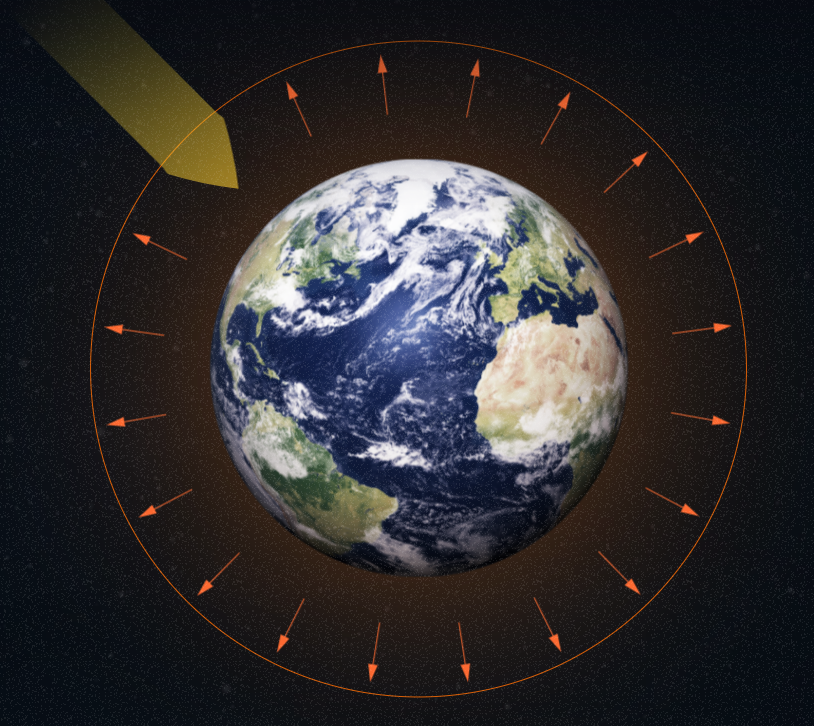
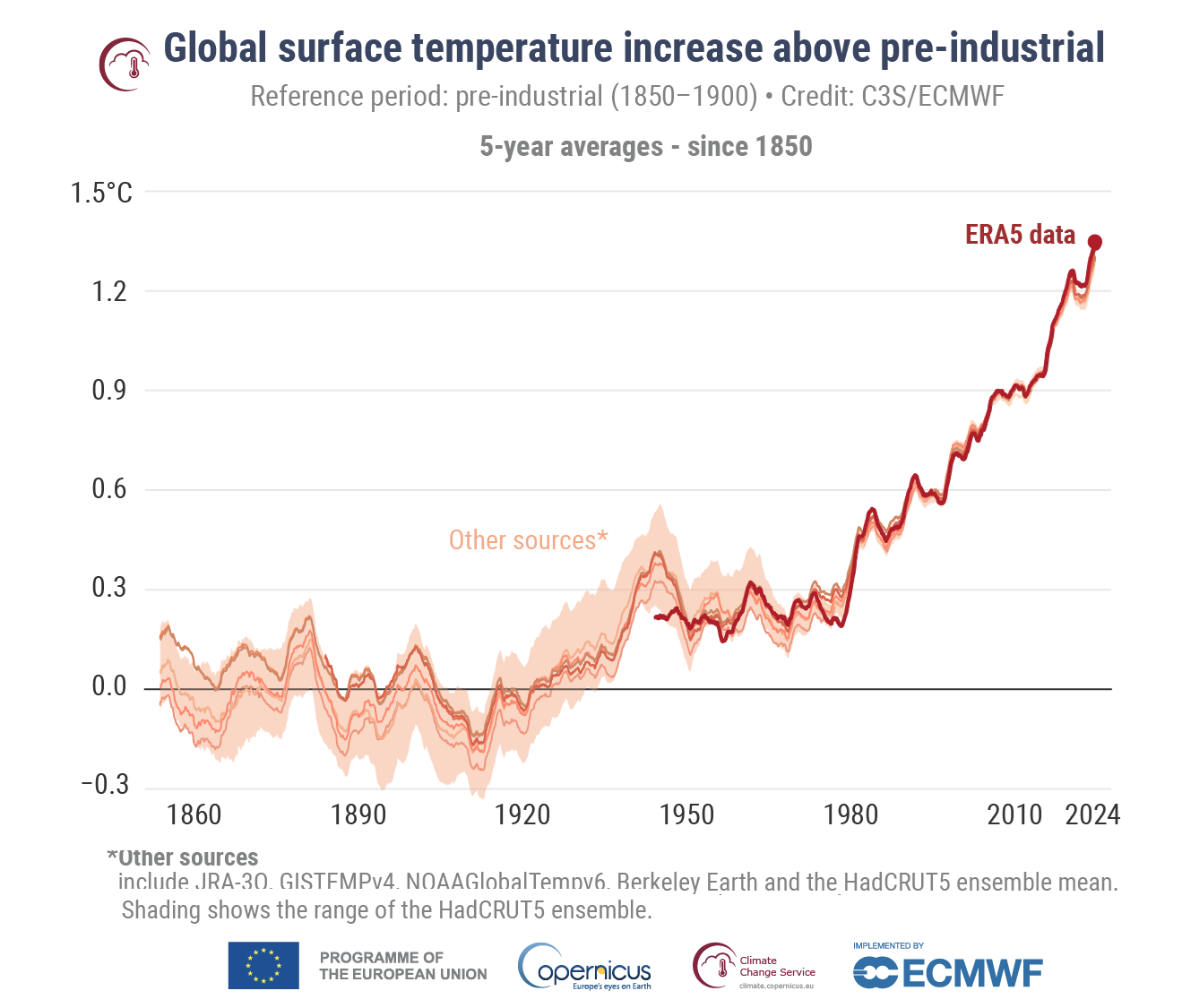
The Earth's average surface temperature has increased significantly over the past century due to human activities that release greenhouse gases into the atmosphere. It is associated with various impacts, including more frequent and severe heatwaves, melting glaciers and ice caps, rising sea levels, and changes in weather patterns.
Carbon emission reduction
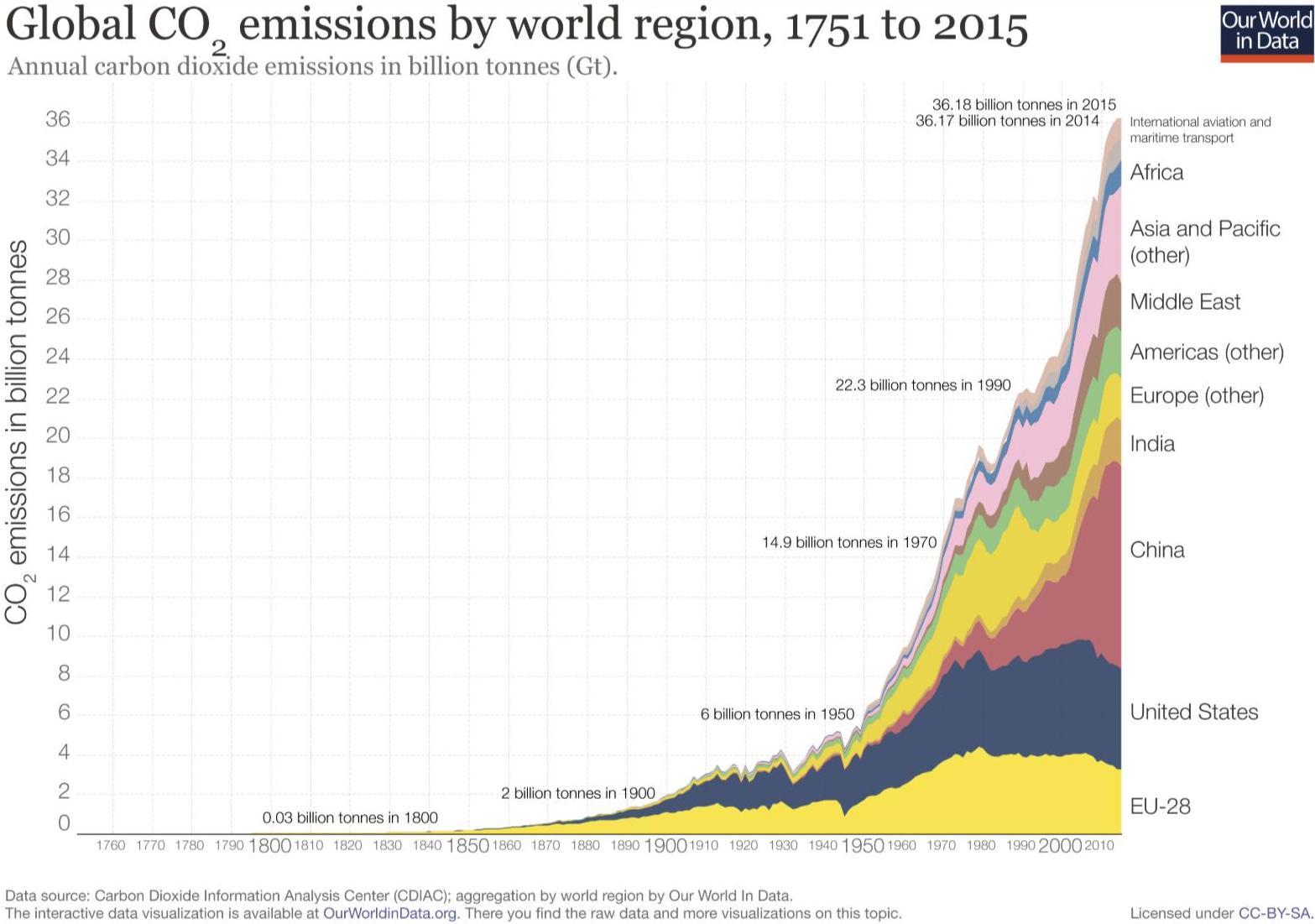
International agreements such as the Paris Agreement have set targets for reducing greenhouse gas emissions. The goal is to limit global warming to well below 2 degrees Celsius above pre-industrial levels. It requires significant reductions in carbon emissions through a combination of renewable energy adoption, energy efficiency improvements, and changes in land use and forestry practices.
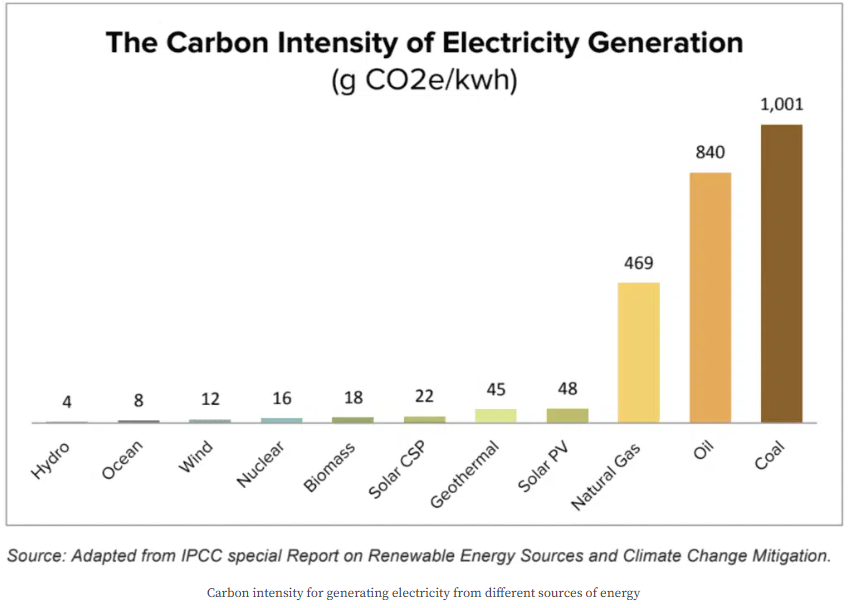
Energy carbon intensity
The amount of energy consumed per unit of economic output. Reducing energy intensity is a key strategy for addressing climate change, as it allows for economic growth while minimizing increases in energy consumption and associated emissions through technological advancements, improved energy efficiency and shifts towards less energy-intensive industries.
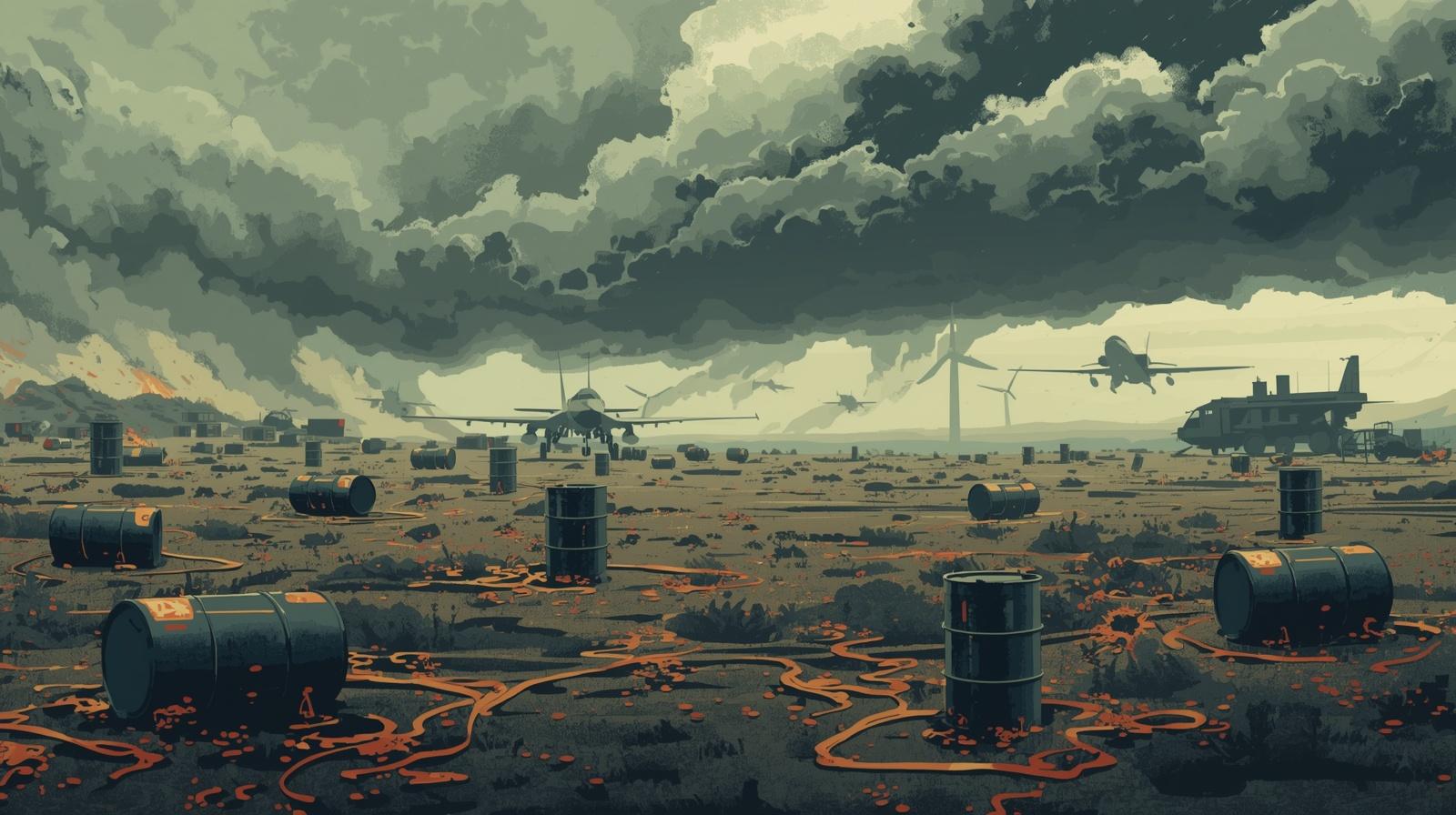
Conflict aggravation
The control of oil resources fuels geopolitical tensions and armed conflicts around the world. Climate change will intensify these rivalries due to the scarcity of essential resources: access to water, agricultural land, and the distribution of natural wealth. These environmental pressures are likely to create massive population displacements, generating new centers of political tension and regional destabilization.
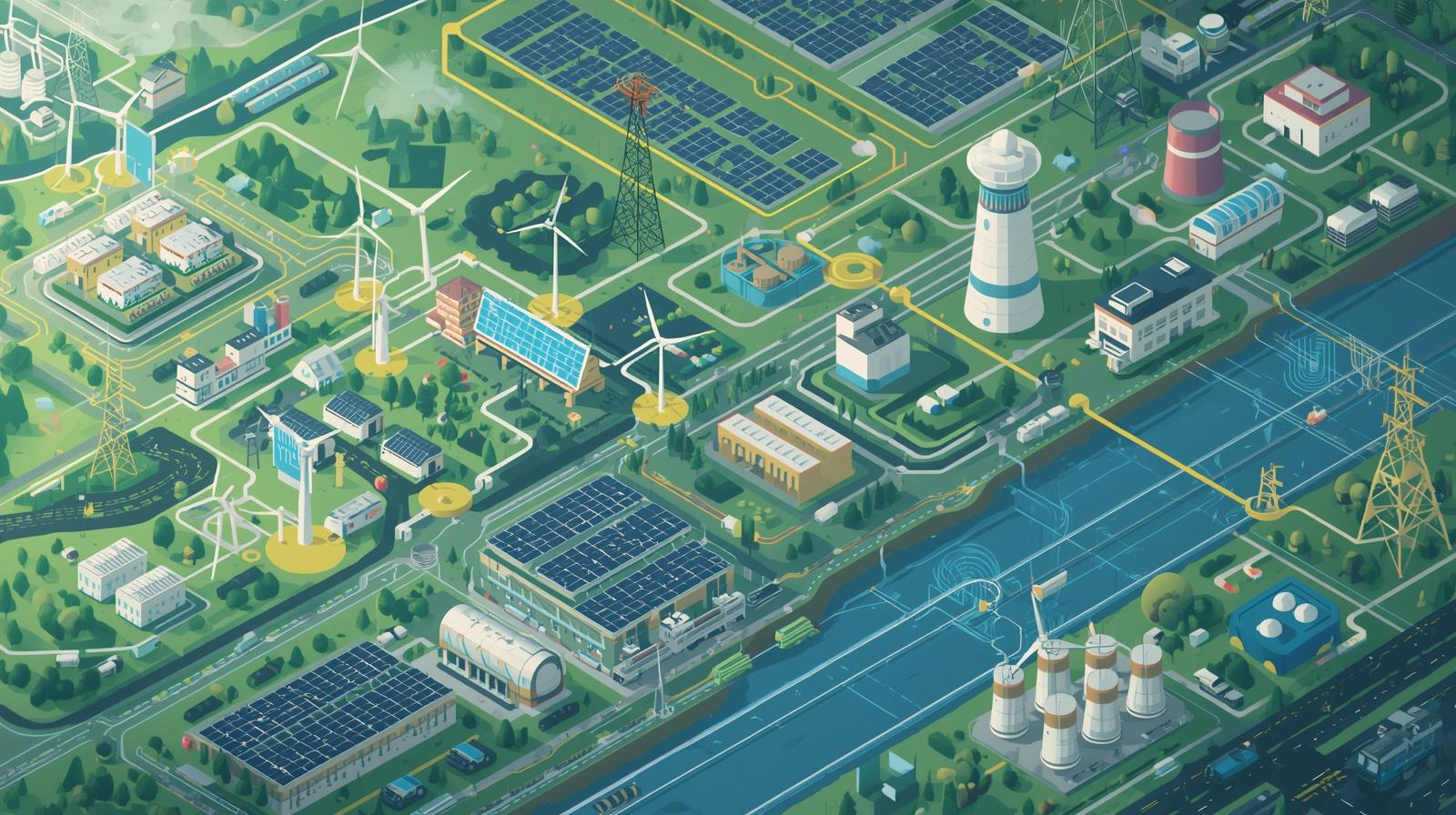
Electric Grid
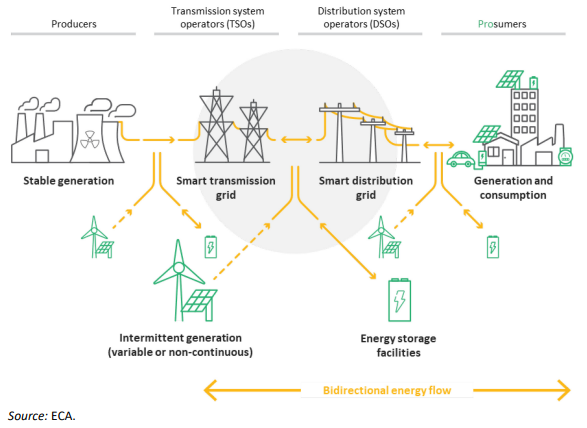
The industrial electricity transmission network represents an essential infrastructure that allows for the sustainable distribution of energy. It integrates renewable energy sources, nuclear power, hydraulic storage, optimizes consumption, and reduces losses.
Understanding the challenges
Climate change poses a major economic challenge, requiring massive investments in green technologies and the transformation of industrial sectors.
Technological innovation is at the heart of the energy transition, with the development of smart solutions to optimize energy production and consumption.
Professional climate resources
Discover in-depth analyses on climate change